
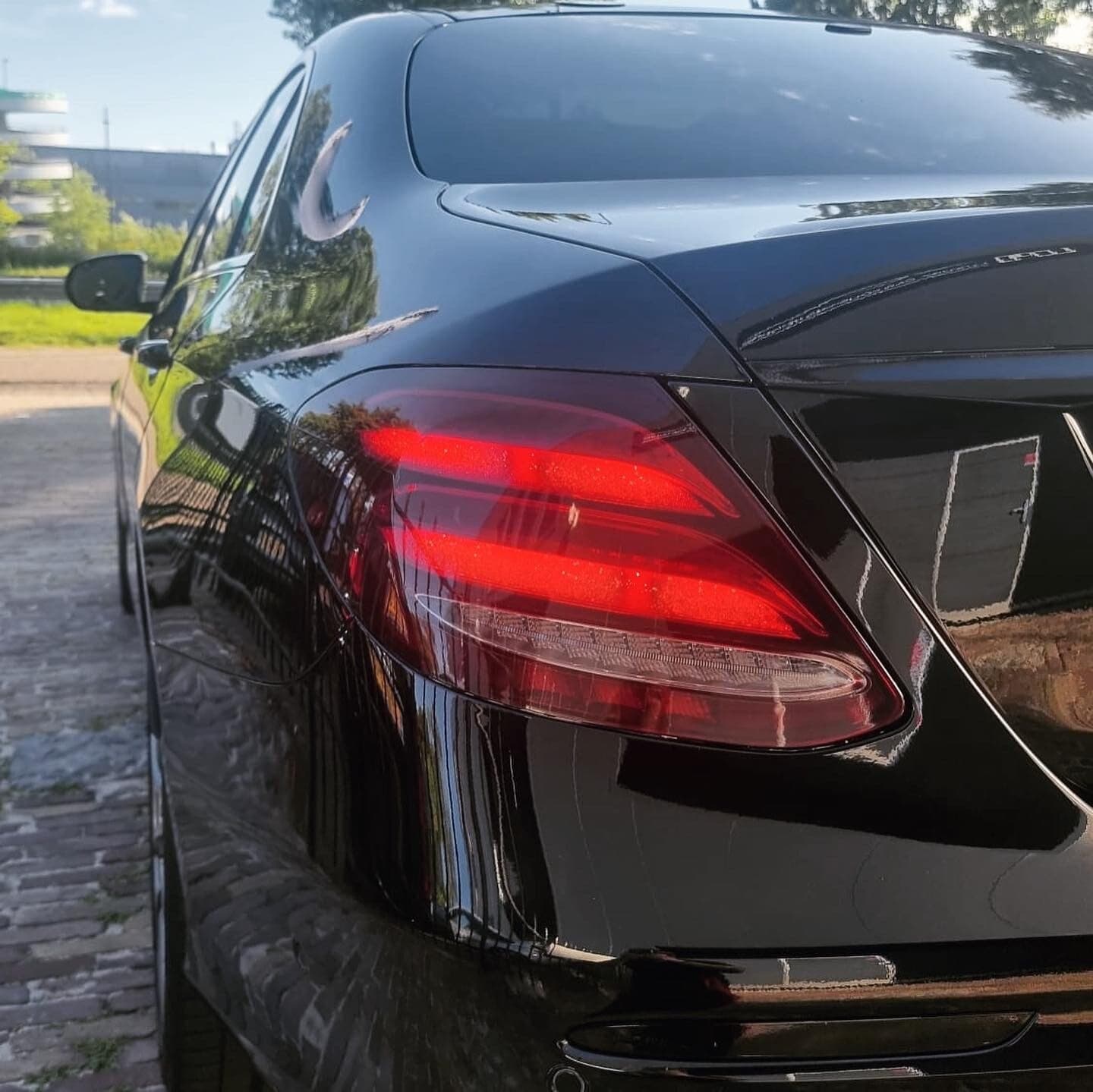
Most swirl marks come not from driving but from washing and drying. A safe routine keeps your paint in much better shape for longer, especially if your car has been polished or has a coating.
Why do swirls occur?
- Car wash brushes and "quick wash" programmes
- Sponge on dirty paint (dirt acts like sandpaper)
- Too little pre-rinse and not enough rinsing
- Drying with the wrong cloths or pulling too hard
- Wiping off dry dust
Golden rule: loosen the dirt first, then make contact. Less friction means fewer micro-scratches.
Safe wash routine (simple)
- Pre-wash: pre-wash foam and rinse thoroughly.
- Contact wash: ideally the two-bucket method, working from top to bottom.
- Wheels separately: own tools and cloths, not mixed with paint cloths.
- Drying: soft drying towel, pat or glide lightly, no pressure.
Why hand washing is better than a car wash
Car washes are fast, but brushes and cloths often carry dirt with them. This causes swirl marks after just a few visits. Hand washing focuses on safety, detail, and preserving your paint and coating.
If you already have swirls
Paint correction is usually the quickest route to a showroom finish. After that, coating and proper maintenance help keep the result looking good for longer.
Want it done professionally? See hand wash or request via request a quote.